The signs worth taking seriously
"Phone addiction" isn't a formal clinical diagnosis, but problematic phone use is real, well-studied, and very common. The pattern to watch for isn't hours alone. It's loss of choice. Ask yourself:
- Do you pick up your phone without deciding to, sometimes finding it in your hand with no memory of reaching for it?
- Do you lose track of time in feeds, regularly surfacing much later than intended?
- Do you check it mid-conversation, mid-meal, mid-film, even when nothing has arrived?
- Do you scroll in bed despite being exhausted, then regret it in the morning?
- Do you feel a flicker of anxiety when it's out of reach, and relief when it's back?
- Have you tried to cut down and failed, more than once?
Two or three of these, most days, means the phone is running more of your behaviour than you're choosing. (If phone use is tangled up with serious anxiety, depression or compulsions that frighten you, talk to a professional. Self-help tools are a complement, not a substitute.)
Why it happens, and why it isn't a character flaw
Your phone's most habit-forming apps are built on the most reliable engine in behavioural science: variable reward. Sometimes the check pays off with a like, a message, something outrageous. Sometimes it doesn't. That unpredictability trains the checking reflex far more deeply than a guaranteed reward ever could. Combine it with zero friction (the phone is always there, always on) and thousands of trained repetitions per month, and compulsive checking is the expected outcome, not a personal failure. You're not weak; you're outgunned. The answer is to change the arena.
Breaking the cycle: four stages
1. See it (week 1)
Get honest numbers: daily total, top apps, peak hours. Not to judge yourself, but to find the two or three loops carrying most of the compulsion. It's almost never "the phone." It's specific apps at specific hours.
2. Break one loop (weeks 1–2)
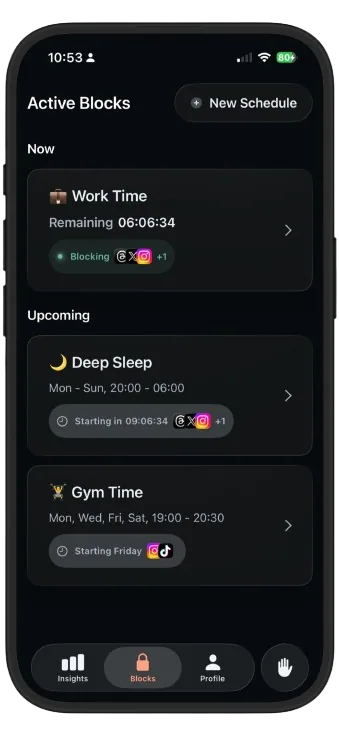
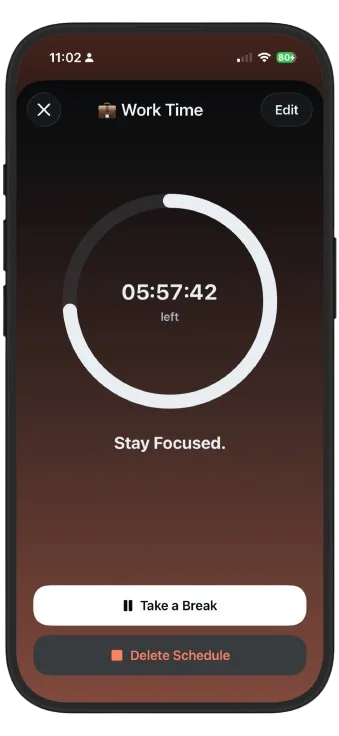
Pick the single loop that costs you most, often the bedtime scroll or the morning check, and make it impossible rather than resisted, with an automatic block over just that window. One broken loop proves the pattern can bend, and that proof is fuel.
3. Rebuild the defaults (weeks 2–4)
Add your next windows (work hours, mornings, meals) as standing schedules. Meanwhile, refill the recovered time deliberately: the compulsion was filling real needs like rest, novelty and escape, and those needs still want answers.
4. Keep score gently
Watch the weekly trend, not the daily stumble. A bad Tuesday is data, not relapse. What matters is the direction over weeks, and whether the phone is becoming something you use rather than somewhere you disappear.
- Open Insights and find your worst window. For most people, it's late evening.
- Create a schedule covering that window, e.g. Deep Sleep, 21:30–06:30, blocking your compulsive apps.
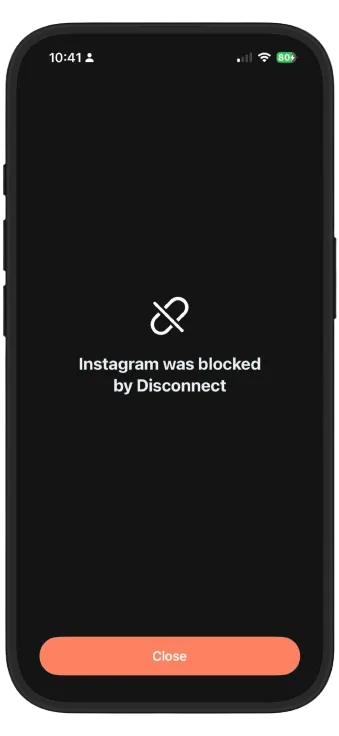
- When the reflex fires, you'll meet a blocked screen. The urge peaks, passes, and weakens a little each night.
- After a week, check Insights again, take the win, and break the next loop.
The goal isn't zero
Phones are genuinely useful, and the aim was never to give yours up. The aim is that a month from now, when you're on your phone, it's because you decided to be, and when you're not, it isn't tugging at your sleeve. That's not abstinence. That's ownership.